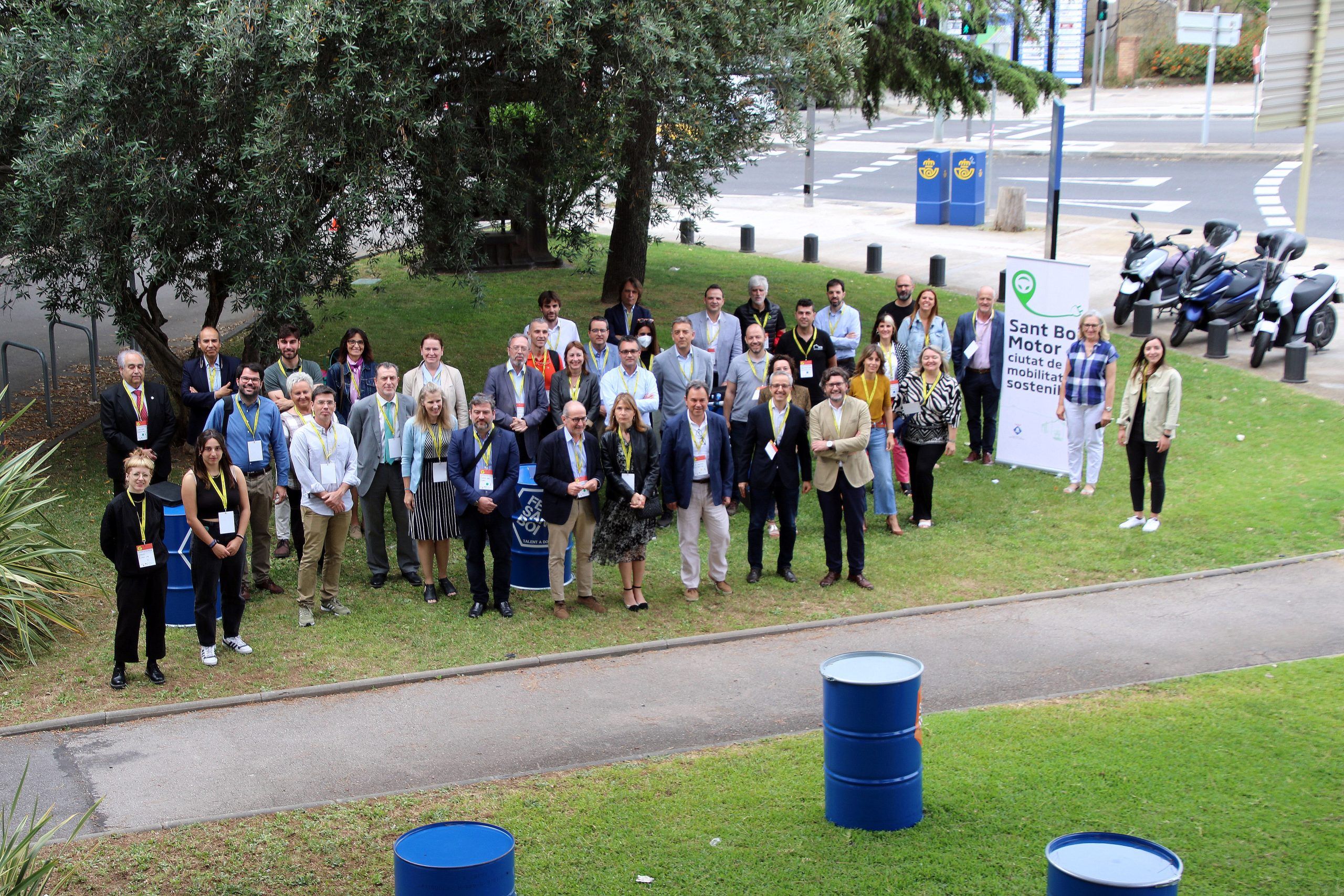


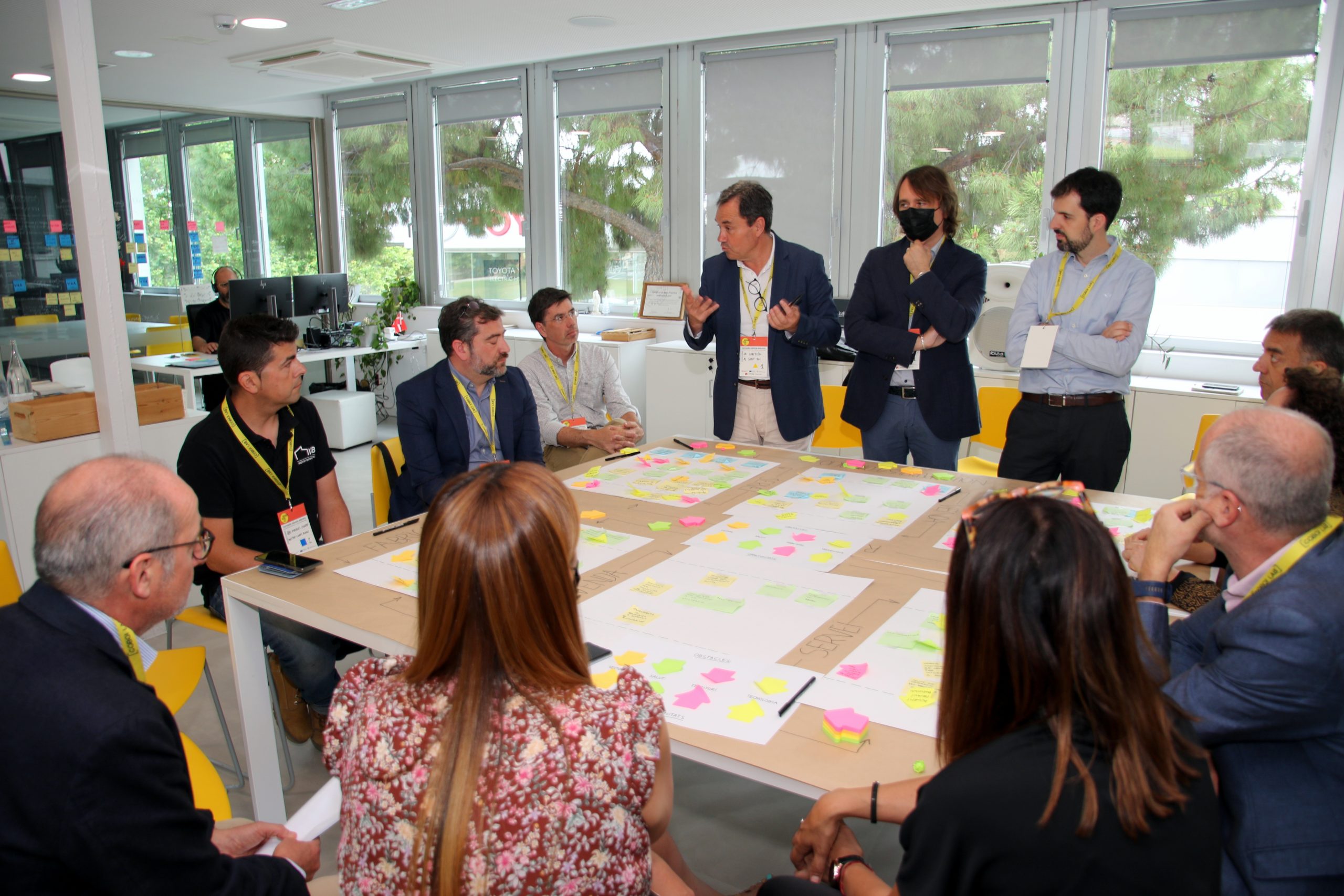
Within the framework of the pilot project of the Spanish Urban Agenda, it became evident that there was a need to create a meeting point between automotive experts, companies in the sector and institutions to share reflections and experiences on the ongoing transition in the automotive sector. Representatives of the quadruple helix were invited: companies from the automotive sector, academia and professional training, users and various institutions.
The event was organized with the support and collaboration of the Working Group “Sant Boi as a hub for electric vehicle distribution and mobility” of the City Pact for a new social and economic boost.
The working day brought together representatives of the quadruple helix: companies from the automotive sector, academia and professional training, users and various institutions. The session was structured into two blocks:
After the session, the following areas of action were identified:
Throughout the day, the need for greater understanding of aspects linked to the new model of public space and mobility was repeatedly highlighted. Conversations with technical experts helped dispel misconceptions, discussed users’ confusion, and showcased innovative initiatives being implemented elsewhere. Knowledge must be generated and shared to promote this transformation.
The link between mobility and public space was a recurring theme. Discussions included the location of charging points, the role of dealerships and small workshops, new mobility-sharing formulas, and reclaiming space from vehicles to create friendlier, healthier cities. Proximity was a central value in all these discussions, emphasizing experimentation and pilot projects to provide practical solutions.
The need for new professional profiles to enable this transformation was clear. Some participants noted ongoing efforts, while others highlighted the disconnect between current training programs and the demands of local companies. In order to respond to the new professional profiles that will emerge, accelerating professional training and improving the attractiveness of careers in this sector are essential. The singularities of Sant Boi generate an opportunity in this field that is worth exploring and developing.
The lack of funding to implement this new model of public space and mobility was mentioned multiple times. Funding sources such as the Barcelona Provincial Council and Next Generation funds were presented as means to support this transformation. For this reason, we consider it essential to establish a line of action that seeks what funding instruments exist to be able to carry out the rest of the areas of action.
To continue moving forward with the phases of the action plan and the implementation of the Method, it is suggested to structure the actions in the following lines of work:
This activity is part of the Local Urban Agenda (Pilot of the Spanish Urban Agenda) as a multilevel participation activity.
#SpanishUrbanAgenda
#SantBoiUrbanAgenda
Funded by: