



Capsulab is Coboi lab’s monthly knowledge capsule. We want to share our internal research on topics such as innovation, labs and multi-actor projects, among others. And, from there, generate concise and practical content and materials with the aim of sharing the key learnings.
In this capsule we talk about:
How can we explore different perspectives on a common challenge?
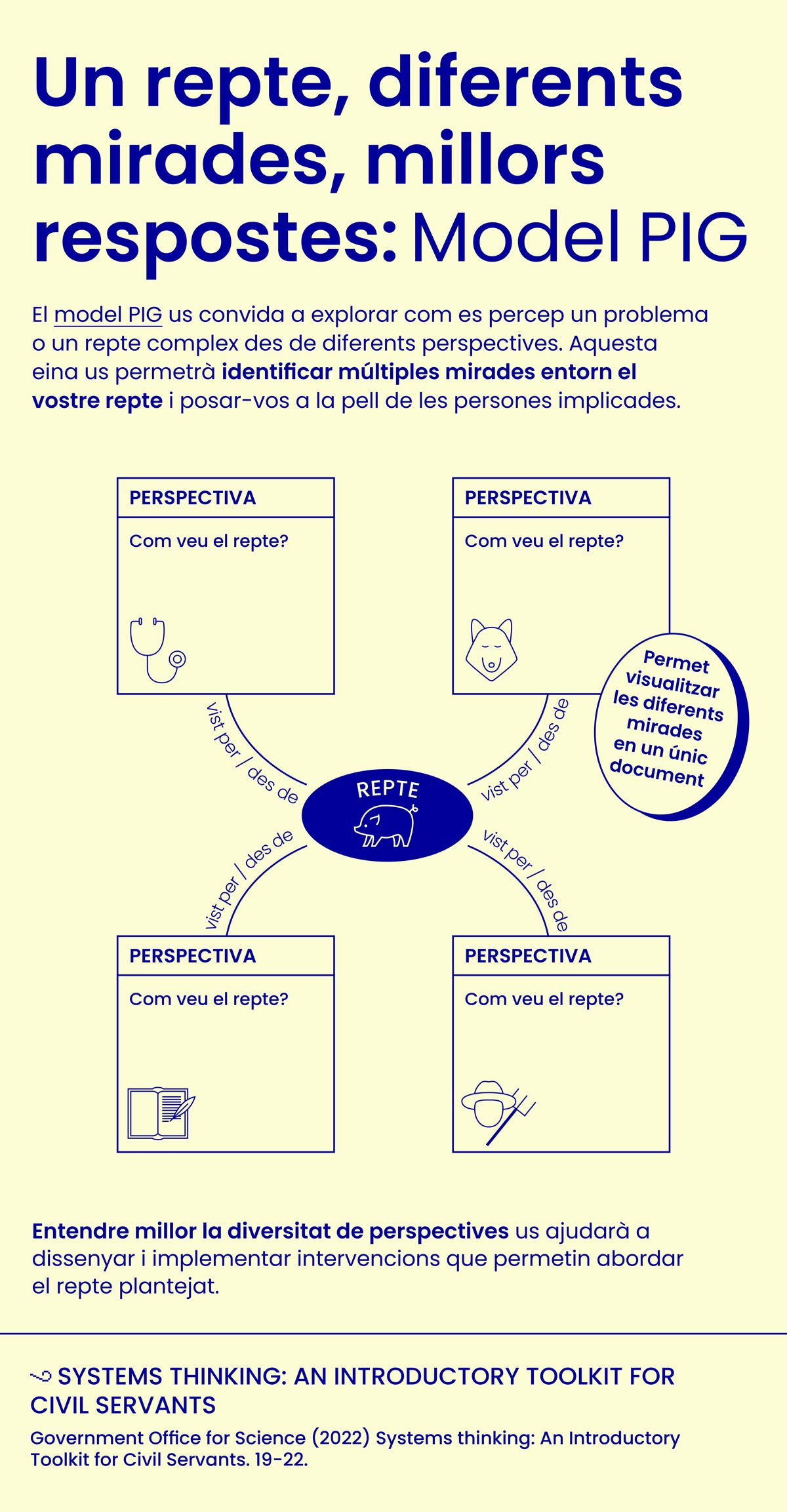
The example is simple. Think about how different people might view a pig. For instance, a farmer, a wolf, a veterinarian and a poet. It is clear that each one sees the pig differently: as a business model, as food, as a patient or as inspiration, respectively. This exercise aims to illustrate how our vision of the world (and the way we understand a specific problem) varies depending on our frame of reference, which is shaped by our experiences, beliefs, values, etc. Thus, a challenge that we are interested in solving can be many things at once; it all depends on the perspective from which you look at it. Even the simple question of “What is our pig (challenge)?” is often hard to answer, especially when this problem affects different people or groups.
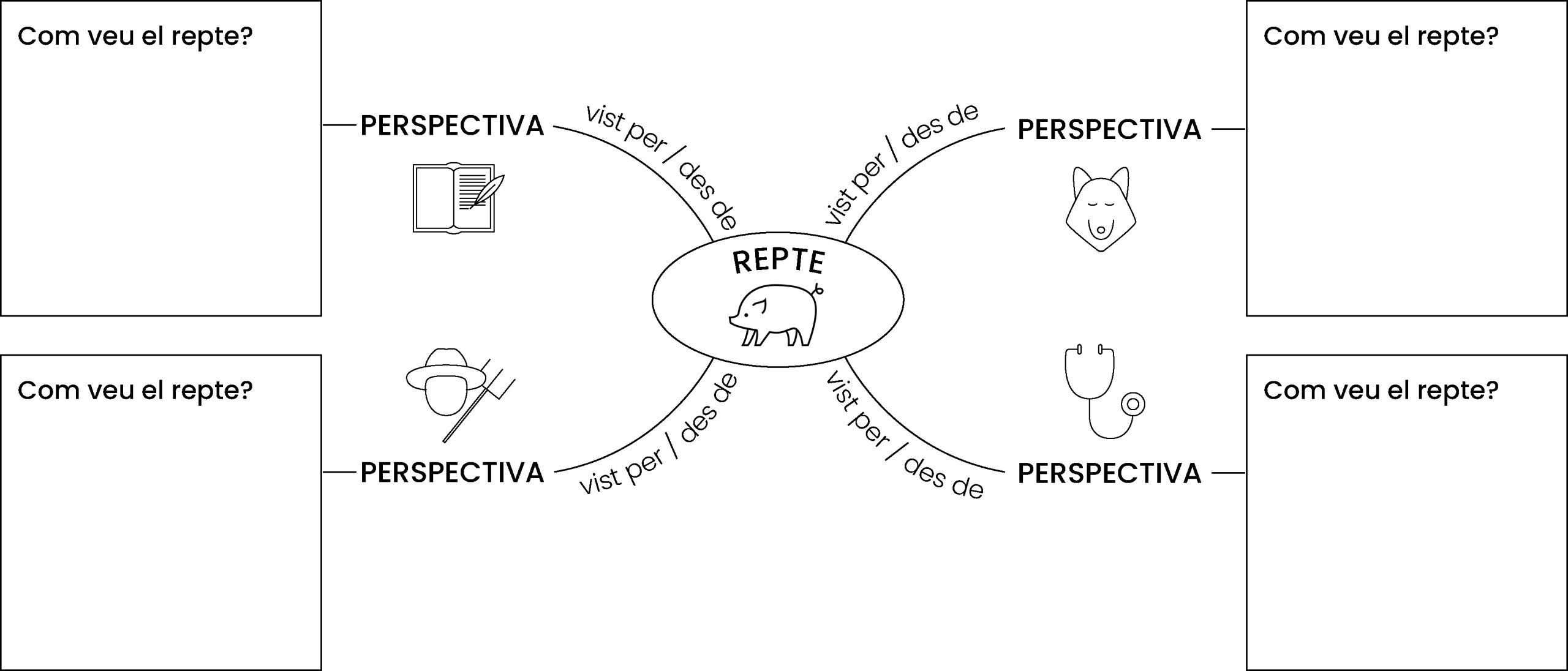
Below we explain in more detail the PIG Model as a tool to identify and explore different perspectives around a shared challenge.
What is it? The PIG model is a methodological tool that invites you to explore how a complex problem or challenge is perceived from different perspectives.
What is it used for? This tool is used to explore, identify and understand the perspectives of different actors or areas related to the challenge you want to address. It also helps guide the conversation about where the boundaries of the challenge lie and who needs to be involved in analyzing it.
What results can we expect? Using this tool you will explore multiple perspectives on your challenge and put yourself in the shoes of those involved. You will gain a better understanding of the diversity of perspectives, which will help you when designing and implementing concrete interventions to tackle the challenge at hand.
How to use this tool?
1) Open this template and follow the instructions marked in red.
2) Once you have created your working board, define the challenge you want to tackle (your “pig”) and write it in the centre. You can analyze the issue as it currently stands or imagine how it might look after making a specific change.
3) Discuss whether you want to explore the challenge through the lens of different groups (e.g. families, young people, unemployed, etc.) or through specific themes (e.g. gender, environment, culture, etc.)
4) Draw an arrow coming out of the challenge, write the name of a perspective that “sees” your challenge, and Reflect on how you perceive it. Repeat this step for as many perspectives as you have identified. For example, “Families perceive that…” or “From a gender perspective, the challenge is perceived as…”
5) Once you have completed the model, share your analysis with the stakeholders and ask: Have we captured your vision of the problem? What do you think is missing? Step 4 can also be done directly with the people involved in the challenge to carefully gather their vision from the beginning.
Use this model to help you form a community of people connected to the challenge and continuously learn from shared experiences and knowledge.
To download the PDF of the ComFluïm conference , click here .
For more information about this model , click here.
Source: Government Office for Science (2022) Systems thinking: An Introductory Toolkit for Civil Servants. 19-22.
With the support of: